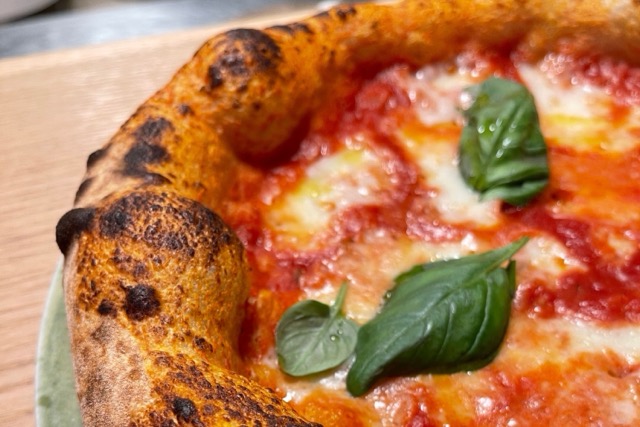
A Focaccia pizza recipe is based on simple ingredients, but quality makes the difference between an average product and a premium professional result.
The flour defines structure, fermentation behavior, and texture. Olive oil adds aroma and softness, while salt balances flavor and strengthens gluten.
In professional kitchens, consistency is essential. Using premium-quality ingredients and reliable flour, such as Molino Rachello professional products, helps achieve repeatable results and a stable production process.
Mixing the Ingredients
Start by pouring the water into a mixing bowl and dissolving the salt completely. Add a small amount of flour and then incorporate the yeast.
Once the yeast is dissolved, gradually add the remaining flour while mixing slowly until the dough begins to form.
Kneading the Dough
Knead the dough until it becomes:
- smooth and elastic
- slightly soft but not sticky
- well-developed in gluten structure
Proper kneading is essential for developing the strength needed to support fermentation and achieve the typical Neapolitan texture.
First Rising (Bulk Fermentation)
Place the dough in a container and cover it to prevent drying. Allow it to ferment at room temperature.
This first fermentation stage is essential for flavor development and dough maturity.
Typical professional fermentation time: 2 to 4 hours at 22–25°C (72–77°F)
Shaping the Dough
Once bulk fermentation is complete, divide the dough into individual dough balls (typically 240–280 g for classic Neapolitan pizza).
Shape each portion into a smooth ball by folding the dough inward and sealing the bottom.
Let the dough balls rest in a proofing box.
Second Rising (Final Proofing)
The second rise is crucial for achieving the signature Neapolitan cornicione: airy, puffy, and light.
Final proofing time typically ranges from:
8 to 24 hours (depending on yeast quantity and temperature)
Many professionals aim for a total fermentation time of 24 hours for optimal results.
Baking the Pizza
Authentic Neapolitan pizza requires extremely high baking temperatures. Traditional wood-fired ovens reach:
- 430–480°C (800–900°F)
- baking time: 60–90 seconds
This high heat creates the iconic contrast:
- soft center
- charred spots on the crust
- airy, puffy edge
Neapolitan Pizza Crust Recipe: how to achieve the perfect texture
The Neapolitan pizza crust is what defines the style: a thin, soft base with a light, airy edge (cornicione). The perfect Neapolitan crust should be:
- soft and flexible
- slightly moist in the center
- well-risen on the edge
- lightly charred, with golden-brown tones
Key factors for the perfect Neapolitan crust
Flour selection
The right flour supports fermentation and provides the ideal balance of extensibility and elasticity. A high-quality professional flour helps create a crust that is airy but stable.
Molino Rachello flours are designed to deliver consistency, making them an excellent choice for professionals seeking a reliable Neapolitan pizza crust recipe.
Dough hydration
Hydration influences softness and oven spring. A well-hydrated dough supports open crumb development and improves the final texture.
Fermentation management
Long fermentation improves:
- aroma
- digestibility
- gluten maturity
- crust softness
Hand stretching technique
Avoid using a rolling pin. Neapolitan pizza dough must be stretched by hand to preserve internal gas and allow the cornicione to rise during baking.
Mastering the art of Authentic Neapolitan Pizza with Molino Rachello
Authentic Neapolitan pizza requires more than just a recipe—it requires control, experience, and a reliable flour that performs consistently under professional conditions.
Molino Rachello flours are trusted by professionals because they provide:
- stable gluten development
- excellent dough extensibility
- consistent fermentation tolerance
- reliable performance in high-temperature ovens
With carefully selected raw materials and quality-driven milling processes, Molino Rachello supports pizzaioli and chefs in achieving authentic Italian-style results.
Whether you are producing Neapolitan pizza in a wood-fired oven, a gas deck oven, or an electric professional oven, choosing a premium flour is the first step toward excellence.
Contact Molino Rachello and request more information through our form to discover the best flour for your business and production needs.